

Latin America Gambling Overview: Brazil, Argentina, Mexico, Colombia Regulations

We have paid partnerships with the online casino operators featured on our site. We may also earn commissions when users click on certain links. However, these partnerships do not affect our reviews, recommendations, or analysis. We remain impartial and committed to delivering unbiased gambling content.
Learn moreGambling laws in Latin America are changing rapidly. Brazil is set to launch an entirely new federal framework, while Argentina doesn’t even have a set of national laws. What’s the situation in Mexico and Colombia? Let’s find out together in this guide!
- Latin America Gambling Regulation at a Glance
- Argentina: Provincial Regulation Without a National Law
- Brazil: From New Framework to Operational Market
- Mexico: A 1947 Law Still Being Modernized
- Colombia: The Region’s Most Established Online Regulator
- What to Expect Through 2028 (A Hedged Outlook)
- The Bottom Line for Players
- How We Verified This
Latin America Gambling Regulation at a Glance
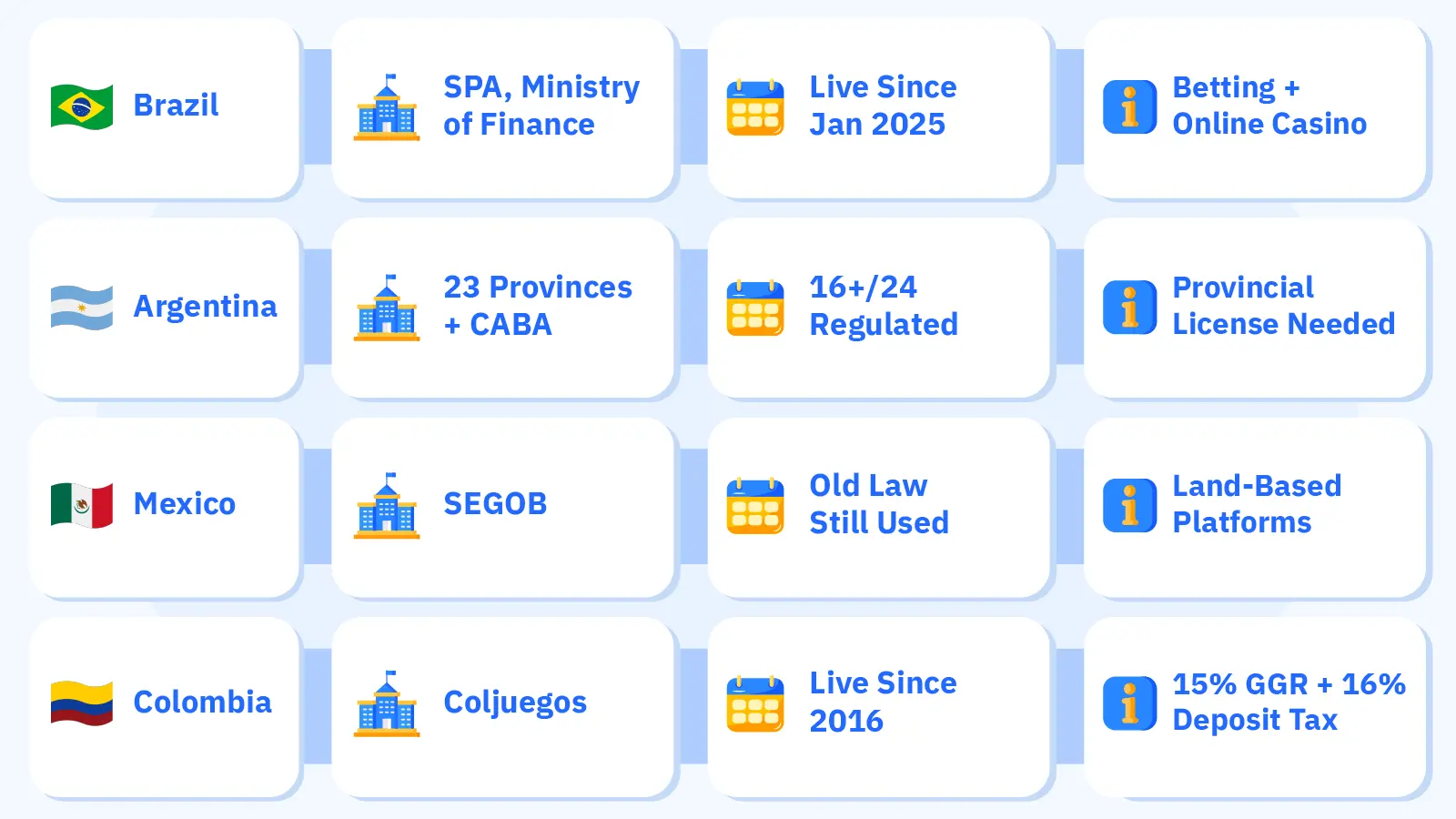
| Country | Regulator | Current Status (2026) | Notes for Players |
|---|---|---|---|
| Brazil | SPA, Ministry of Finance | Live since Jan 2025, 80 operators | Sports betting + online casino; land-based casinos still banned |
| Argentina | 23 provinces + Buenos Aires City | 16+/24 have rules | Need a license from your own province |
| Mexico | SEGOB | Still using old law | Play mostly via land based operators platforms |
| Colombia | Coljuegos | Running since 2016 | 15% GGR tax + new 16% deposit tax (Mar 2026) |
Argentina: Provincial Regulation Without a National Law
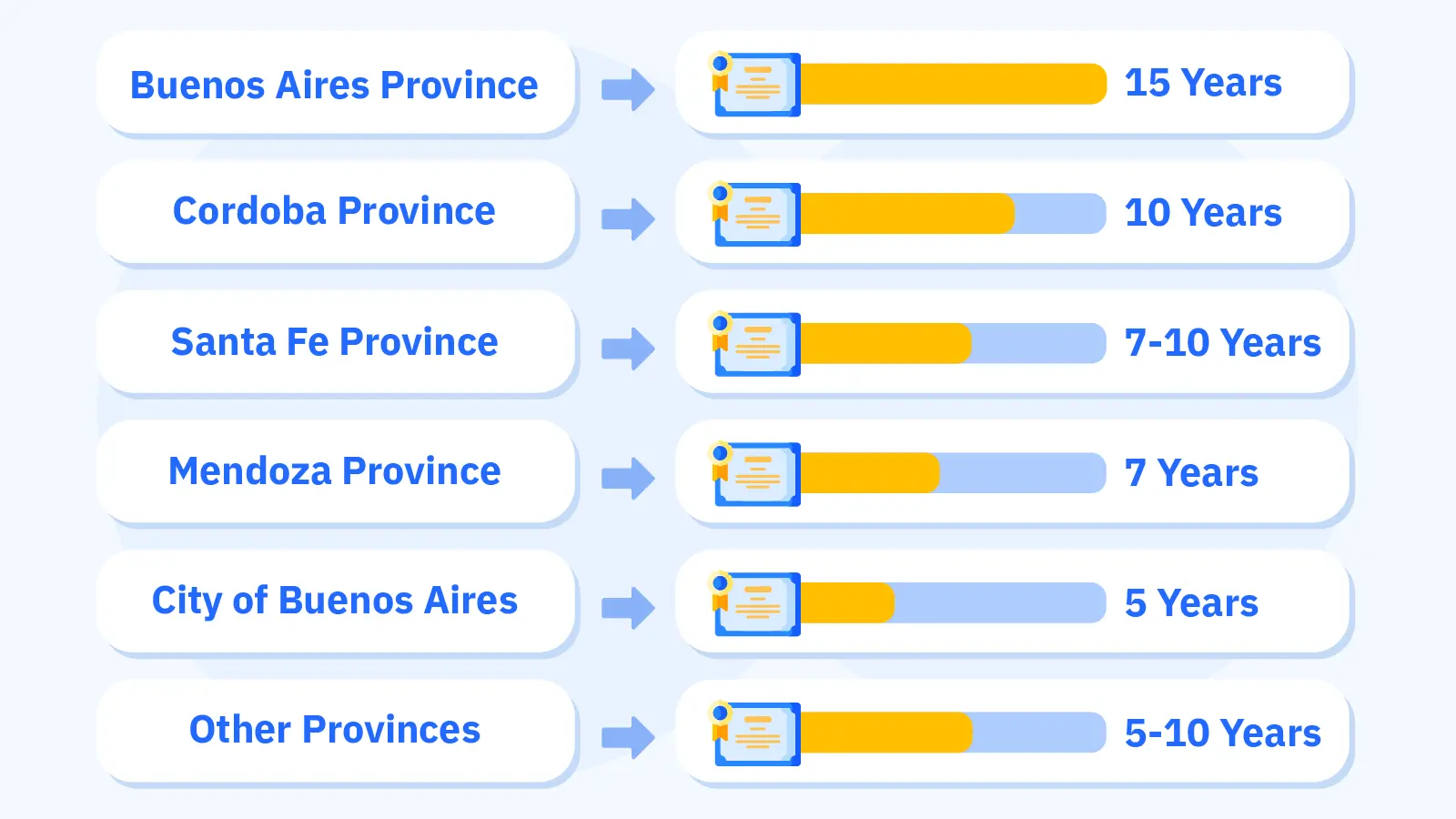
As of the writing of this article, Argentina has no national law regulating online gambling. Nor do I believe this gap will be filled anytime soon. As a result, there are 24 distinct jurisdictions, each of which establishes its own regulations for online gambling. The exact number of jurisdictions regulating gambling varies from source to source. Some cite 16, others 22, or even 24.
The terms of these licenses vary significantly from one province to another. The Province of Buenos Aires issues licenses for a term of 15 years, while the City of Buenos Aires has a much shorter term of just 5 years.
There is no national license in Argentina. An online casino may be legal for you, who are physically located in a certain province, and illegal for a friend of yours who is in a neighboring province.
Brazil: From New Framework to Operational Market
Did you know what the most significant change in Latin America is? The Brazil online casino regulation! The year 2025 brought this change. If you live in Brazil, you’ll now find over 78 licensed operators. However, don’t get carried away. Don’t forget that bingo, land-based casinos, and gaming halls are still banned in Brazil, okay?
Taxes have changed
Starting in January 2026, licensed operators must pay a progressive tax on their gross revenue, in addition to income tax, PIS/COFINS contributions, and local taxes.
Adelina Paraschiv, the editor behind this article, has compiled the following information about the progressive tax rates:
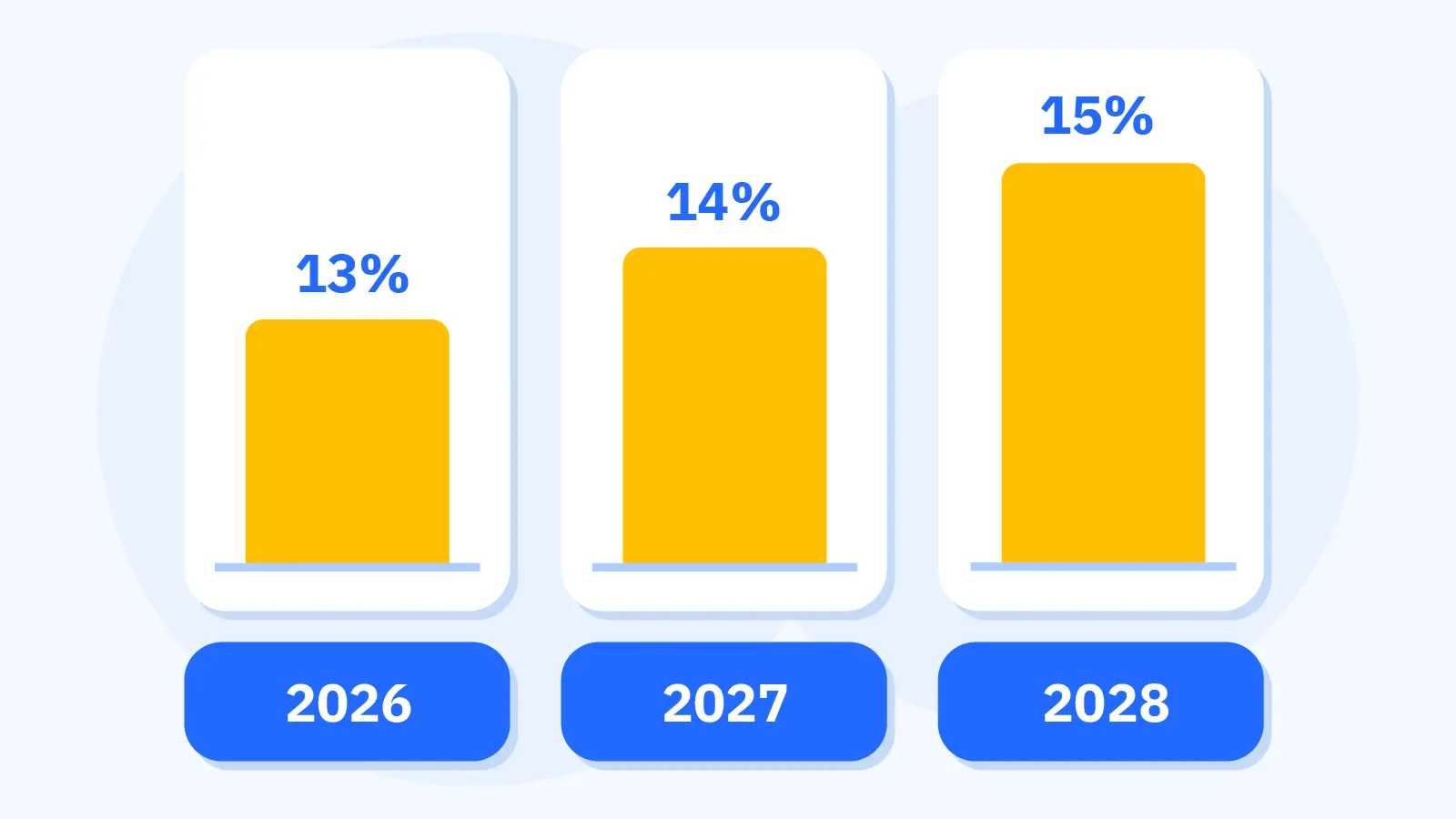
- 13% in 2026
- 14% in 2027
- 15% in 2028
On top of these, there is also a separate social security contribution.
Mexico: A 1947 Law Still Being Modernized
Mexico has the oldest legal framework we’ll be discussing today. The federal law dates back to 1947. We’re talking about a law that’s several decades older than the internet, so its clear that it contains no provisions regarding online gambling.
In practice, most online gambling games are available to Mexican players and are operated directly throug platforms owned by the same entities that own land-based casinos. Starting in 2025, things have begun to change slowly but surely.
A legislative proposal has been submitted to replace the old law. Will this change? We don’t know. As of the time of witing and publishing this article, the bill has not yet been passed. If it is passed, we’ll provide an update!
Colombia: The Region’s Most Established Online Regulator
I’ve told you about each market individually, and now it’s Colombia’s turn. Here we find the longest-standing tradition when it comes to regulating online gambling. What’s more, it’s actually the first country in Latin America to have a comprehensive licensing system.
Under this system, an operator signs a 5-year contract that covers all types of online gambling. All under a single license! To keep the license active, the operator pays an annual fee of 250,000 EUR.
In addition to this fee, there is a variable tax of 15% of the gross gaming revenue (GGR) and a national consumption tax of 16%. Keep in mind, however, that this tax is not permanent; it was introduced as an emergency measure to aid flood victims.
Regional Trends: A Region in Motion
Let’s take a look at them as a whole. As you may have noticed, these four markets are developing differently. According to industry forecasts, we believe that gross revenue will reach approximately $6.75 billion by 2027 and as much as $12 billion by 2028. But what will happen next? Let’s find out together!
| Trend | What’s Happening | Countries Most Affected |
|---|---|---|
| Rapid market growth | Revenue from regulated online gambling in Latin America is likely to grow this decade | Brazil, Colombia, and emerging markets such as Chile and Peru |
| Tax rates trending upward | Newly launched markets raise fees in the first few years | Brazil- GGR tax; Colombia with its new consumption tax |
| Uneven liberalization | Some countries have comprehensive legal frameworks, while others operate at the provincial level | Argentina, Mexico |
| Persistent offshore competition | Unauthorized offshore platforms are competing with newly licensed markets | Brazil |
What to Expect Through 2028 (A Hedged Outlook)
So, as we approach the end of this article, you’re probably wondering what to expect by 2028. Predictions are inherently uncertain but we’ll share our thoughts based on current trends.
We believe that Brazil will see a continuous tightening of regulations. More and more laws aganst illegal casinos will be introduced there!
In Argentina, we expect more provinces to adopt online gambling regulations. However, we don’t expect a single national law during this period.
And in Mexico, the outcome is uncertain. Even though there is a proposed reform bill, we’ve seen that the review period has been extended until August 2027. So, we’ll have to wait a while longer!
In Colombia, were certain there will be ongoing adjustments to the tax regime. Why? Well, the consumption tax which we mentioned briefly above has just been introduced. We’ll have to wait and see what happens!
The Bottom Line for Players
Now that we’re nearing the end of this article, let’s put everything together. Latin America doesn’t operate under a single gambling law, right? As you learned earlier, there are four different regulatory frameworks.
Our advice is to always check a casino’s license before signing up. Never rely solely on what the casino says. Check it out yourself and do your own research!
How We Verified This
The CasinoAlpha team carefully verifies every piece of information it includes in the guides on our website. That’s exactly what we’ve done here. We’ve verified the information in this article using multiple sources. We’ve also carefully reviewed the lists of operators published by the Secretariat for Awards and Betting. Since we’ve discussed laws in this guide, we’ve paid special attention to the latest updates.
Keep in mind that figures vary from one source to another, so we’ve chosen to present them on our site as ranges, okay? Even Brazil online casino regulation change quickly. We try to keep up. However, it’s best to always check the current status of a license before signing up at a casino.
As we always recommend: play responsibly! Seek help when you feel the need!